- Losing 50 to 100 hairs a day is normal.
- Stress, hormones, giving birth, nutrition and genetics are the most common causes.
- Sudden or heavy hair loss is best checked medically.
- A healthy scalp gives your hair the best chance.
How much hair loss is normal?
Every hair has its own growth cycle: a growth phase of several years, a short transition phase and a resting phase of about three months, after which the hair falls out and a new one replaces it. That is why everyone loses hair every day: 50 to 100 hairs a day is normal. After washing it often looks like more, because loose hairs come out all at once.
Do you notice you are clearly losing more than before, that your parting is widening or your hairline is receding? Then it is time to look at the cause.
The 8 most common causes of hair loss
1. Hereditary hair loss. The most common form, in men and women. Men see a receding hairline and thinning crown; in women the hair mostly thins on top. Hair follicles become sensitive to male hormones and produce ever finer hairs. Read more about men’s hair loss.
2. Stress. After a tough period, a loss or burnout, many hairs can enter the resting phase at once. Two to three months later the hair suddenly falls out in large amounts. This is called telogen effluvium and is usually temporary. More about stress-related hair loss.
3. Hormones and PCOS. Hormonal changes, such as with PCOS, menopause or stopping the pill, can make hair thinner. Read our article on PCOS hair loss.
4. After giving birth. During pregnancy less hair falls out. After birth it all comes at once, usually two to four months later. Read more about postpartum hair loss.
5. Nutrition and deficiencies. A lack of iron, vitamin D, zinc or protein, or a strict diet, can trigger hair loss. Your doctor can check this with a blood test.
6. Thyroid and other conditions. An underactive or overactive thyroid, autoimmune diseases or certain medication can cause hair loss.
7. Alopecia areata. Round bald patches that appear suddenly. This is an autoimmune condition that needs medical follow-up. More about alopecia.
8. A scalp out of balance. An oily, irritated or flaky scalp, product build-up or tight hairstyles are not a cause of balding in themselves, but they do not give your hair the best conditions to grow healthily.
When should you see a doctor?
- If you suddenly lose a lot of hair or see bald patches.
- If the shedding does not ease after six months.
- If you also have other symptoms, such as fatigue, weight changes or an irregular cycle.
- If your scalp hurts, is inflamed or has sores.
Your GP or dermatologist can investigate the cause and suggest medical treatment if needed.
What can you do yourself?
- Eat a varied diet with enough protein, iron and vegetables.
- Use a mild shampoo and avoid too much heat and tight hairstyles.
- Make time for rest and enough sleep: stress is a known trigger.
- Massage your scalp for a few minutes every day to boost circulation.
- Be patient: hair grows about one centimetre a month.
How NASU can help
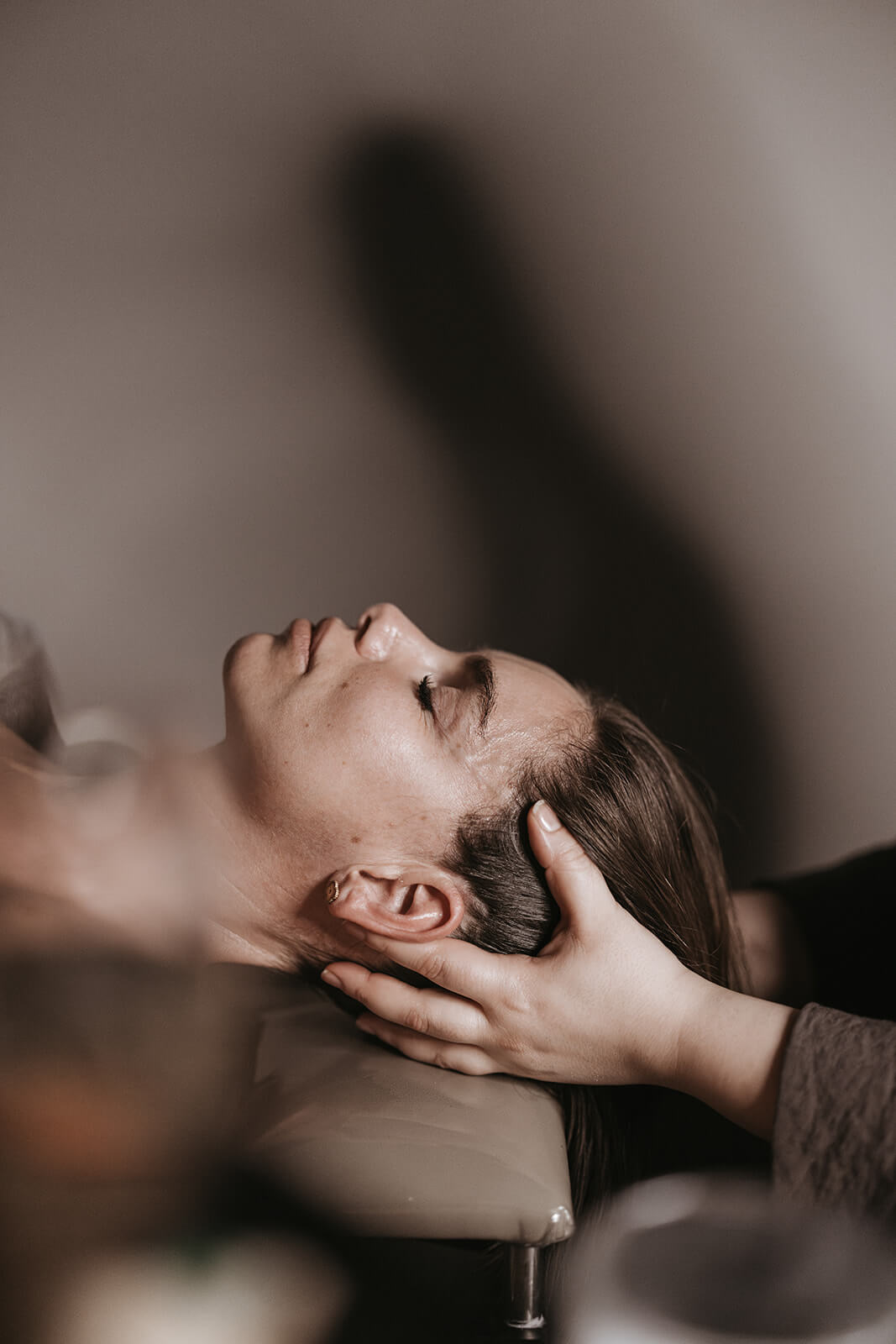
At NASU we care for the scalp as the foundation of healthy hair. We start with a scalp and hair analysis and then combine deep cleansing, a Japanese head massage that boosts circulation and nourishing, 100% vegan care. For lasting results we put together a tailored hair regrowth cure. Our work is cosmetic, alongside your doctor’s advice. Discover everything at our hair and scalp centre.
Not sure what your scalp needs?
Take the free Scalp Check: 6 questions, 1 minute, and you get personal advice right away. Or book a scalp & hair analysis (40 min · €55).
Frequently asked questions
Can hair loss stop by itself?
Yes, often. Shedding from stress, giving birth or a temporary deficiency usually recovers within a few months once the cause has passed. Hereditary hair loss does not stop by itself.
Does a scalp massage help with hair loss?
A scalp massage boosts circulation and lowers stress. It does not cure hair loss, but it does support a healthy scalp.
Does hair that has fallen out grow back?
With temporary shedding the hair usually grows back. With hereditary hair loss the follicles gradually shrink; starting care early, and medical treatment if needed, helps most.
This article is general information, not medical advice. NASU offers cosmetic scalp care and does not diagnose. With sudden, severe or persistent symptoms, please see your GP or dermatologist.